This platform examines how space systems are being built and managed, with attention to how technical design, market incentives, and policy frameworks influence long-term behavior in orbit.
It also incorporates historical and anthropological perspectives to question how space is understood and valued, and how those assumptions shape decisions today. The focus is on identifying where those systems can be adjusted to support more sustainable development and long-term expansion into space, recognizing that how space is understood directly shapes how it is used.
This is an ongoing platform – focusing on understanding the space sector as it unfolds, and where meaningful shifts can occur within it.
The current structure of space activity reflects how the industry developed, not a system that was intentionally designed as a whole.
Government programs established the initial conditions for space activity, including its constraints, priorities, and operational models. As those limits became more apparent, commercial and private actors expanded with more flexibility, introducing different incentives and making approaches like reusability viable.
That shift also changes where influence sits. Commercial systems can now shape how space develops, but those changes do not unfold evenly or quickly, and they remain tied to the structures that enabled them. Understanding that dynamic is necessary to see how the system can evolve as orbital activity continues to expand.
Research
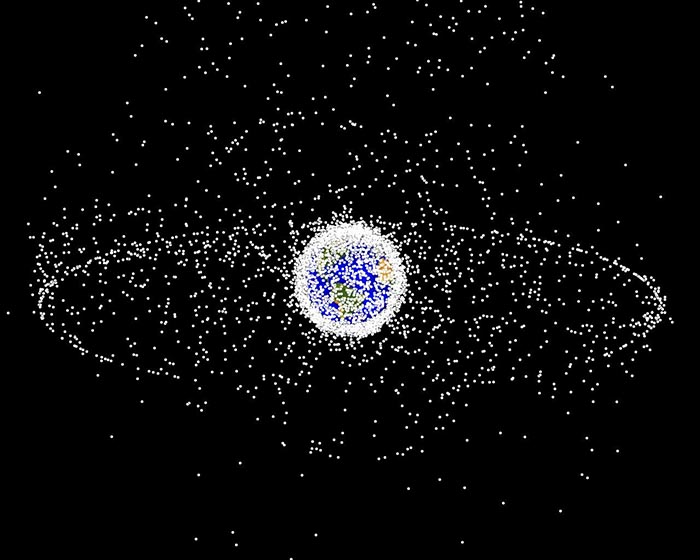
Work focused on how space systems develop over time, including orbital debris, reusability, and the interaction between technical design, market incentives, and policy frameworks.
Each piece builds on the same question: how current approaches shape long-term conditions in orbit, and where those patterns can shift as activity expands.
March·00·2026
April·00·2026
MAy·00·2026
Focus
- How orbital debris emerges from system behavior, not isolated events
- Reusability as a shift in how space activity is structured and sustained
- In-space servicing, reuse, and lifecycle thinking beyond single missions
- Space as both an operational and human system, shaped by how it is understood
Working through ideas about space, past, and present, connecting history, culture, and current systems as they’re unfolding. – This section is intended for exploratory thinking,distinct from my more structured research and writing.
Latest Postings
View Postings [ -> ]
-
Companies I’m Paying Attention to in Space Right Now
An ongoing look at companies across launch, in-space services, and sustainability, what they’re building, how they operate, and what they signal about where space activity is going.
How much of space today is still shaped by early government decisions?
Tracing how initial program structures, funding models, and policy decisions still influence how space activity operates now.
Why are some space companies moving faster than others?
Looking at what allows certain companies to move faster, including funding structure, risk tolerance, and how closely they’re tied to legacy systems.
What really is Space Debris?
Examining how classification, ownership, and operational context define objects in orbit, and how those decisions shape whether they are treated as waste, historical artifacts, or candidates for future reuse and refurbishment.

Ari Sumai
Graduate Student in Commercial Space Enterprise | B.S. in Space Studies (Aerospace Science)| A.S. in Aeronautics
My academic background spans aeronautics, unmanned systems, space policies, aerospace science, and commercial enterprise in space. I hold an Associate’s of Science in Aeronautics, an undergrad certificate in small Unmanned Aerial Systems Safety and Operations, and a Bachelor’s in Space Studies with a focus in Aerospace Science. I will be completing my Master’s in Commercial Enterprise in Space in December 2026.
Some of my work experience includes NASA L’SPACE Mission Concept Academy (MCA), mentorship work within NASA L’SPACE workforce initiatives, and an internship through ASU SpaceWorks focused on hands-on hardware development and vacuum testing as part of a NASA Lucy mission–sponsored program.
Questions
Which companies am I paying attention to right now?
A mix across debris, in-space services, launch, and commercial infrastructure. You can view a more detailed posting on companies I’m currently following here.
What have I been reading in my free time (outside of academic work)?
Please check out my GoodReads profile for my read, reading, and want-to-read lists.
What topics am I currently interested in outside of my main research?
Archaeoastronomy, Polynesian and Austronesian wayfinding traditions, space-related biographies (especially women and overlooked contributors), astronaut accounts, cosmology, AI and the singularity, and how different cultures have interpreted the sky.